
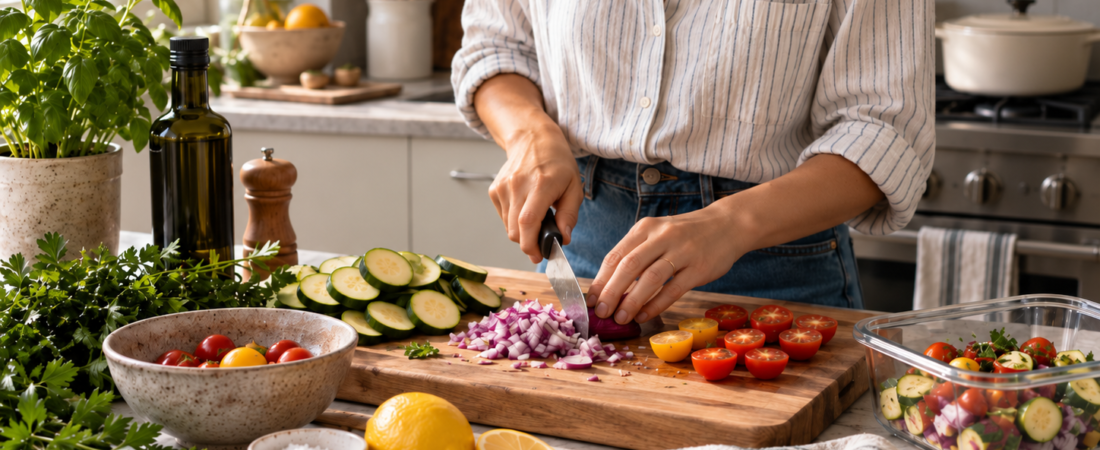
There is a version of meal prep that involves spending half of Sunday cooking five complete lunches and dinners, lining them up in matching containers, and knowing exactly what you will eat on Thursday night.
This is not that.
For most of us, the hardest part of a weeknight dinner is not the actual cooking. It is getting home hungry, opening the fridge, and realizing that every possible meal still seems to require ten separate steps.
The vegetables need washing. The onion needs chopping. The chicken still needs seasoning. There is technically food in the house, but none of it feels particularly close to becoming dinner.
A better weekend strategy is to prep the bottlenecks.
Instead of making complete meals, spend a little time getting a few useful ingredients one or two steps closer to dinner. You still get to decide what you feel like eating each night, but Tuesday-you has far less work to do.
Here are five things worth prepping this weekend.
5 Things to Reset at Home Before Monday
1. Prep the Vegetables You Actually Use
Do not chop every vegetable you bought simply because it is Sunday.
Start with the ones that usually slow you down at dinner.
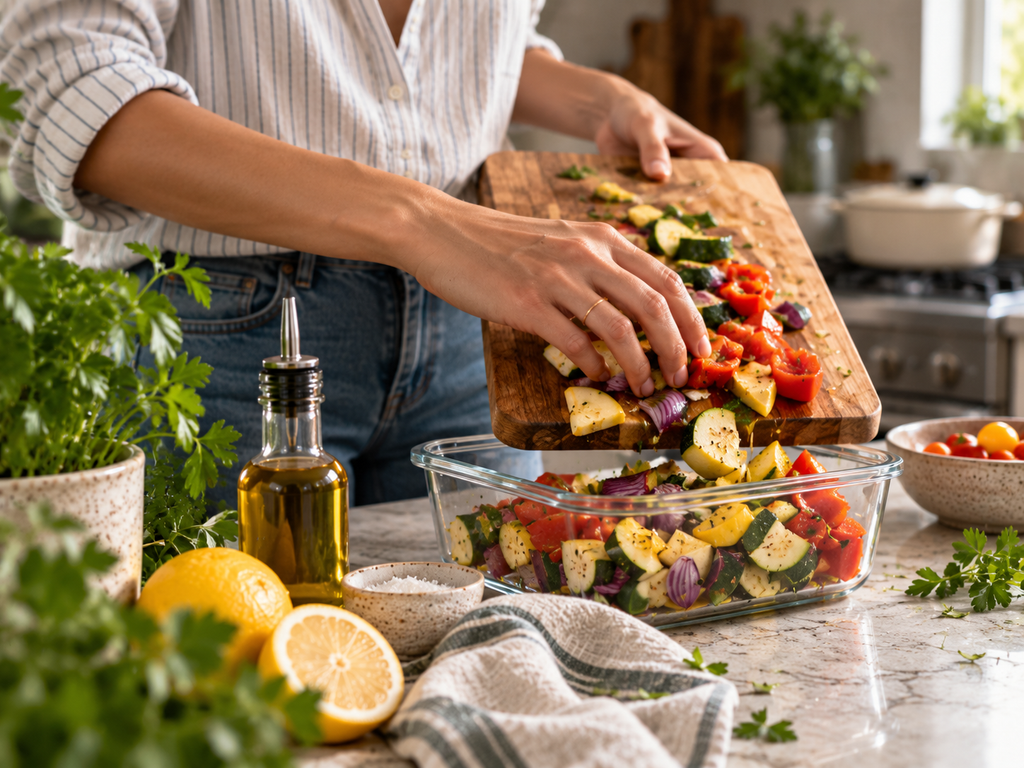
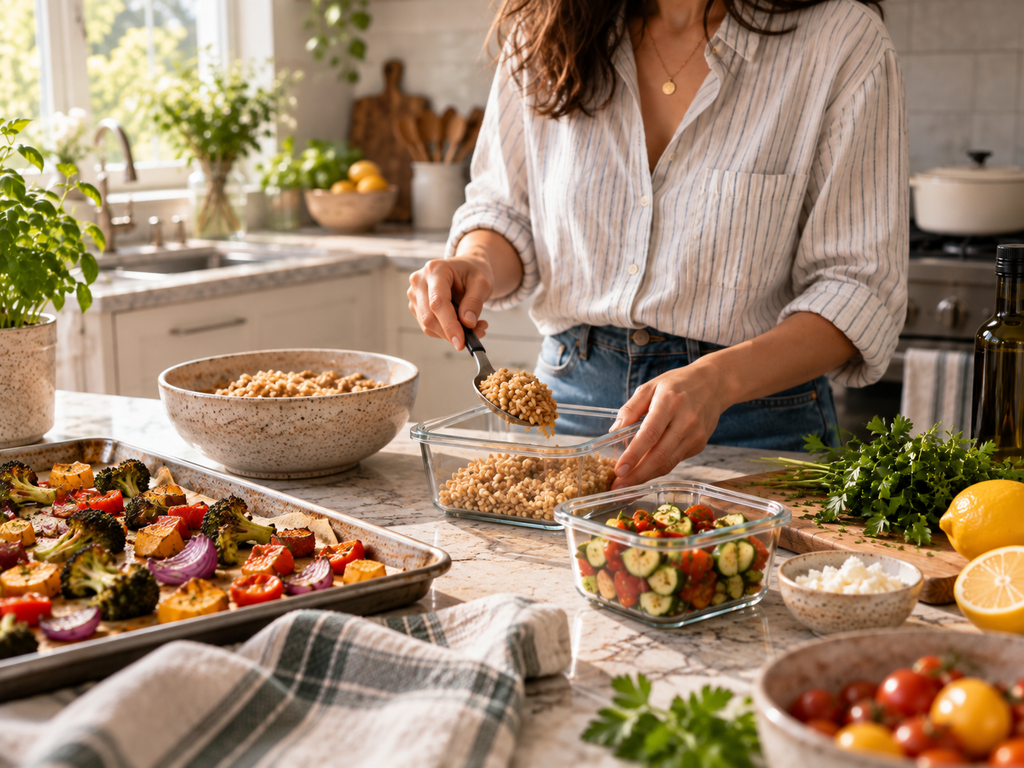
If you regularly cook with onions, peppers, zucchini, carrots, broccoli, or salad vegetables, washing and prepping a few of them ahead can remove one of the biggest barriers between “I should cook” and actually putting a pan on the stove.
A useful approach is to choose two or three vegetables that can work in several different meals.
For example:
- sliced peppers for fajitas, pasta, rice bowls, or stir-fries
- chopped onion for sauces, soups, tacos, or scrambled eggs
- washed greens for salads, wraps, bowls, or quick sides
- broccoli florets ready for roasting or sautéing
- sliced zucchini for pasta, sheet-pan dinners, or omelets
You do not need a fridge full of tiny containers.
A couple of well-chosen ingredients are enough to make several dinners feel significantly easier.
Keep anything that benefits from staying whole — especially delicate produce — uncut until you need it.
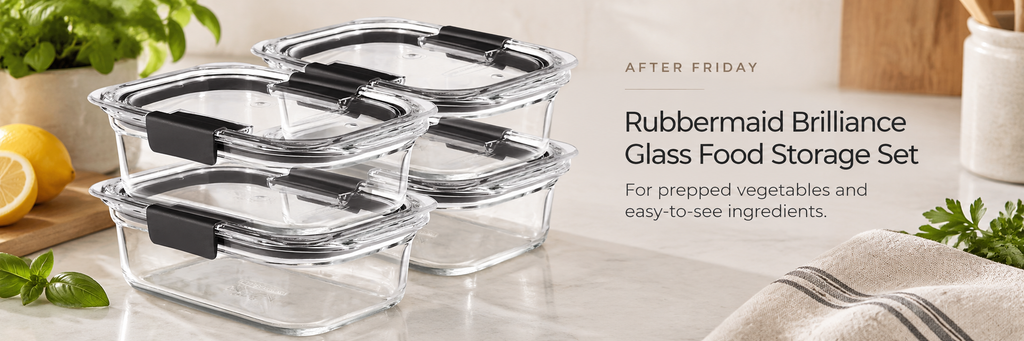
Make it even easier
Before putting everything away, mentally assign each vegetable at least two possible dinners.
That prevents “prepped food” from becoming another forgotten container at the back of the fridge.
Think:
peppers → tacos or pasta
rather than:
peppers → Tuesday’s mandatory dinner
That little bit of flexibility is the whole point.

2. Make One Sauce You Will Want to Put on Everything
A good sauce is one of the easiest ways to make basic ingredients feel like an actual dinner.
Instead of preparing several complicated recipes, make one sauce, dressing, pesto, or flavored oil that can carry multiple meals throughout the week.
It might be:
- a lemon-herb vinaigrette
- garlic yogurt sauce
- chimichurri
- pesto
- tahini dressing
- spicy mayo
- sesame-ginger dressing
- simple tomato sauce
The important part is versatility.
A lemon-herb dressing can go over roasted vegetables one night, become a grain-bowl dressing the next, and work with chicken or fish later in the week.
A pesto can turn into pasta, spread onto sandwiches, or be spooned over roasted potatoes.
This is the kind of prep that gives you options rather than creating obligations.
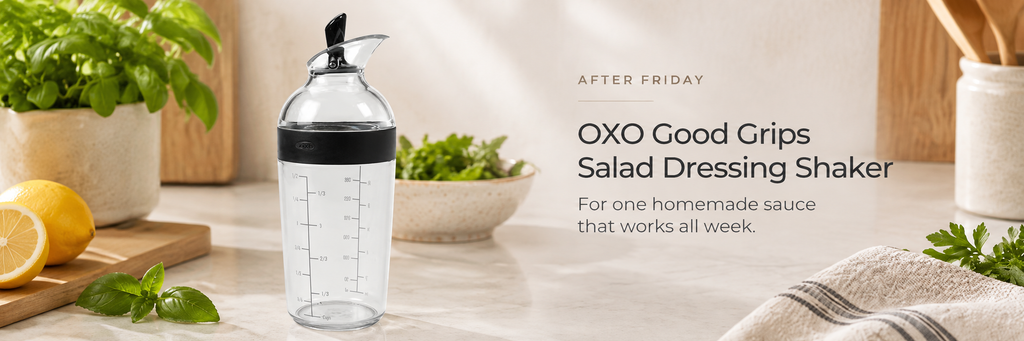
One rule that makes this work
Choose a sauce that matches food you genuinely buy and cook.
There is no point spending Sunday making a beautiful homemade dressing that only works with a dinner you rarely eat.
The best prep is the prep that quietly fits into your normal week.
3. Cook One Flexible Base
This is where a small amount of weekend prep starts multiplying.
Make one ingredient that can become the base or side of several different dinners.
Depending on how you normally eat, that might be:
- rice
- quinoa
- farro
- couscous
- roasted potatoes
- roasted sweet potatoes
- lentils
- beans
The goal is not to decide exactly what Monday through Thursday will look like.
It is simply to remove one cooking step.
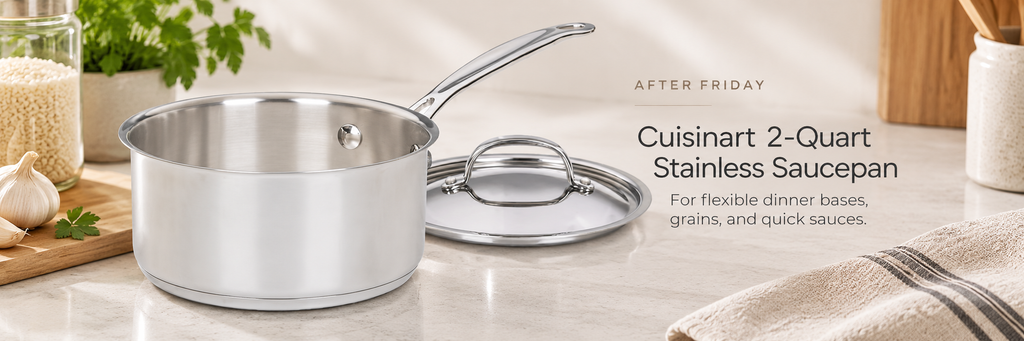
A container of cooked rice could become a stir-fry, burrito bowl, fried rice, or quick side.
Roasted potatoes can sit beside chicken one night and end up inside a frittata the next.
Cooked lentils might become a salad, soup, or warm bowl.
Think of this as a dinner shortcut, not a finished meal.
Keep the amount realistic
You do not need enough rice to feed a small village.
Prep roughly the amount you can realistically see yourself using over the next few days.
Smaller batches are easier to finish and make the fridge feel like a collection of useful ingredients instead of leftovers you are responsible for eating.
4. Get One Protein Closer to Ready
You do not necessarily need to cook your protein in advance.
Sometimes simply getting it ready to cook is enough.
Depending on your week, that could mean:
- marinating chicken
- seasoning tofu
- portioning fish
- cooking a batch of lentils or beans
- shredding a rotisserie chicken
- boiling a few eggs
- shaping meatballs and refrigerating or freezing them
The question to ask is:
What step am I least likely to want to deal with at 7 p.m.?
Do that part now.
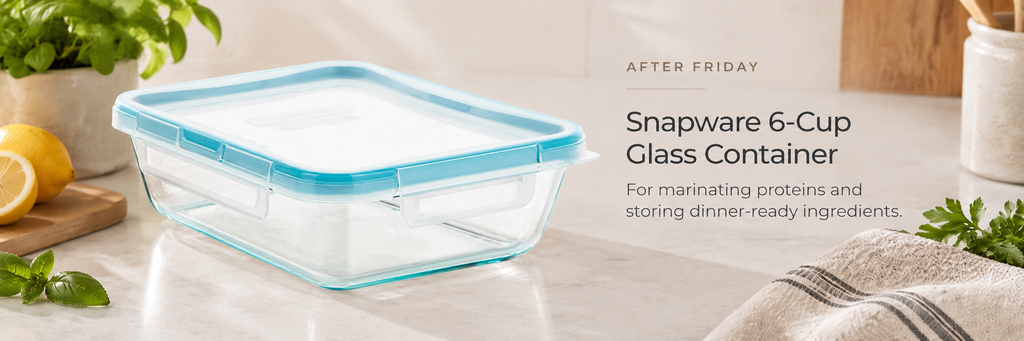
If seasoning and handling raw chicken is usually the thing that makes ordering takeout feel more appealing, marinate it ahead.
If your weeknight problem is remembering to thaw something, portion and freeze ingredients in amounts that actually make sense for one dinner.
You do not need five proteins
One prepared option is plenty.
Remember, this system is meant to reduce friction, not create a fully scheduled menu.
Pair that one protein with the vegetables, sauce, and base you already prepped and you suddenly have several possible dinners without having fully cooked any of them.
5. Build One “Dinner Rescue” Combination
The final thing to prep is not another container of chopped food.
It is a backup plan.
Before the weekend ends, look at what you have prepared and choose one combination that can become dinner in roughly ten minutes with almost no thought.
For example:
Rice + prepped vegetables + egg + sesame dressing
or:
Roasted potatoes + greens + chicken + lemon-herb sauce
or:
Tortillas + peppers + beans + cheese + salsa
or:
Pasta + pesto + tomatoes + greens
You are not scheduling this dinner for a particular day.
You are simply deciding what to make on the night when you are too tired to decide what to make.
That distinction matters.
Write the combination somewhere you will actually see it — a note on your phone is enough.
Now you have an answer ready before the question even comes up.
A Simple 45-Minute Weekend Prep Could Look Like This
You do not need to spend half the day in the kitchen.
A practical session might be:
First 10 minutes:
Wash produce, start your grain or potatoes, and get everything you need onto the counter.
15 minutes:
Chop the two or three vegetables you use most.
10 minutes:
Make your sauce or dressing while the base finishes cooking.
5 minutes:
Season or portion one protein.
Final 5 minutes:
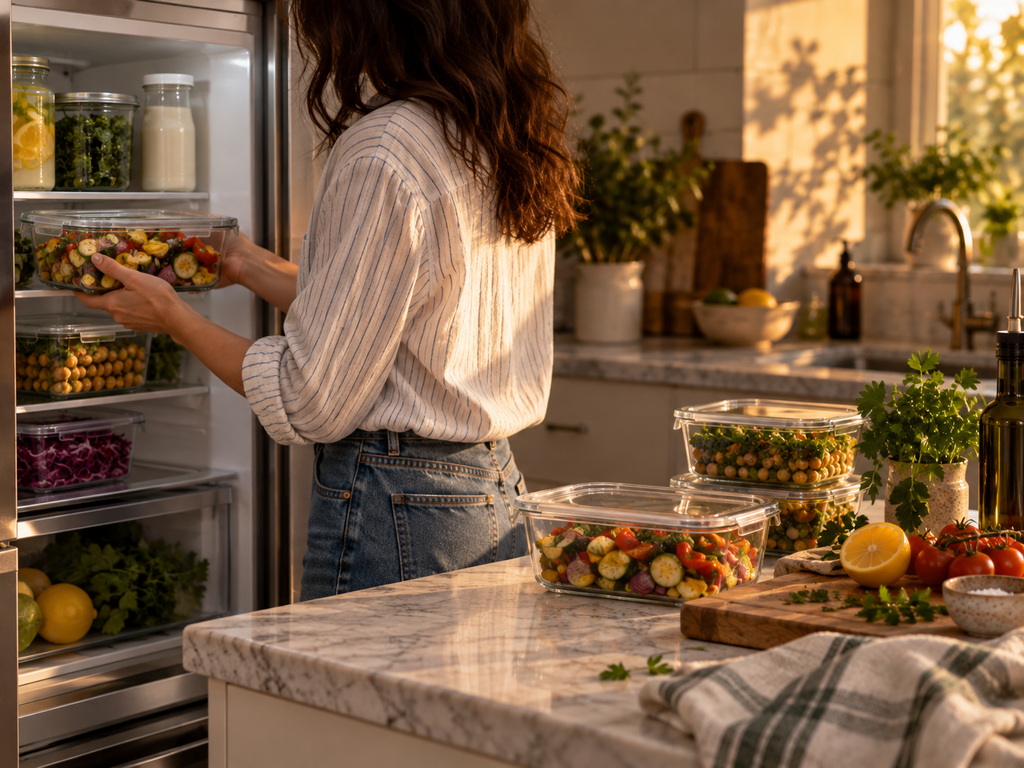
Put everything away and decide on your emergency ten-minute dinner combination.
Done.
You have not made five dinners.
You have simply moved several future dinners much closer to finished.

The Best Meal Prep Is the Kind You Will Actually Use
There is no prize for having the most organized refrigerator on Sunday night.
The point is to make Wednesday easier.
If chopping two onions, making one sauce, and cooking some rice saves you from staring blankly into the fridge after work, that is enough.
Some weekends you might prep all five things.
Other weekends, you might only make the sauce and wash the vegetables.
Both still count.
The most useful version of weekend meal prep is not the one that looks impressive when everything is lined up on the counter.
It is the one you barely notice during the week because dinner simply feels a little easier.
And that is exactly what Sunday prep should do.
Affiliate Disclosure
As an Amazon Associate I earn from qualifying purchases. After Friday may include affiliate links, which means we may earn a small commission if you make a purchase through one of those links, at no additional cost to you.