Some Saturdays get expensive before they have even started.
Brunch turns into shopping. Shopping turns into drinks. Somewhere between parking, a second coffee, and the thing you absolutely did not leave home intending to buy, an ordinary afternoon becomes a surprisingly expensive one.
The alternative does not have to be staying home and spending nothing.
A genuinely good low-cost Saturday is less about finding the cheapest possible activities and more about spending a little money in the right places, then giving yourself enough time to enjoy everything around them.
This one costs about $30.
More importantly, it actually feels like a day.
Affiliate disclosure: This post may contain affiliate links. If you purchase through one of these links, After Friday may earn a small commission at no additional cost to you.
The $30 Saturday Rule
There is one reason this works: not every part of the day needs to cost money.
Instead of trying to stretch $30 across ten tiny purchases, use it for a handful of moments that give the day shape.
Think:
- one good coffee or breakfast
- one small thing to discover or bring home
- one simple lunch
- one afternoon treat
- plenty of walking, browsing, reading, people-watching, and wandering in between
A sample budget might look like this:
Coffee + pastry: $7
Used book or small thrift find: $6
Market fruit or snack: $4
Simple lunch: $8
Afternoon treat: $3
Buffer: $2
Total: $30
Prices obviously vary by city, so treat the numbers as spending limits rather than exact prices. If coffee costs $8 where you live, skip the pastry. If you find a $3 paperback, congratulations: the afternoon treat just got better.
The goal is not perfect arithmetic.
The goal is reaching the end of the day without wondering where $90 disappeared to.
9:30 AM — Start Somewhere You Actually Like
Budget: about $7
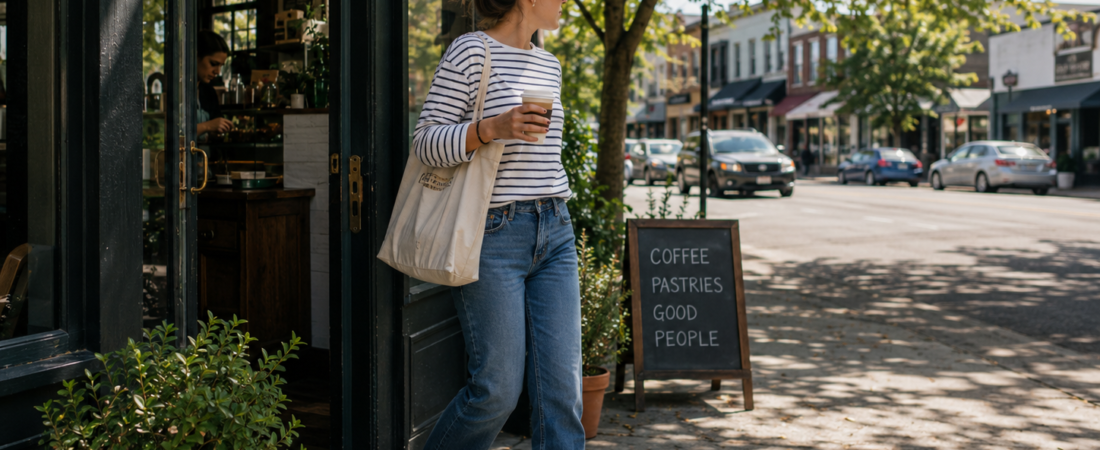
Go out for coffee.
Not drive-thru coffee on the way to an errand. Not coffee gulped while answering messages.
Pick a neighborhood café you enjoy and stay for a little while.
Order your usual drink and, if the budget allows, something simple to eat. Sit near a window or outside. Read a few pages of something. Watch the neighborhood wake up.
Then leave without immediately getting in the car.
Walk.
The first hour matters because it changes the pace of the day. You have already left the house, but nothing feels rushed yet.
Bring Less Than You Think You Need
For this kind of day, a phone, keys, wallet, water, and something to read are enough.
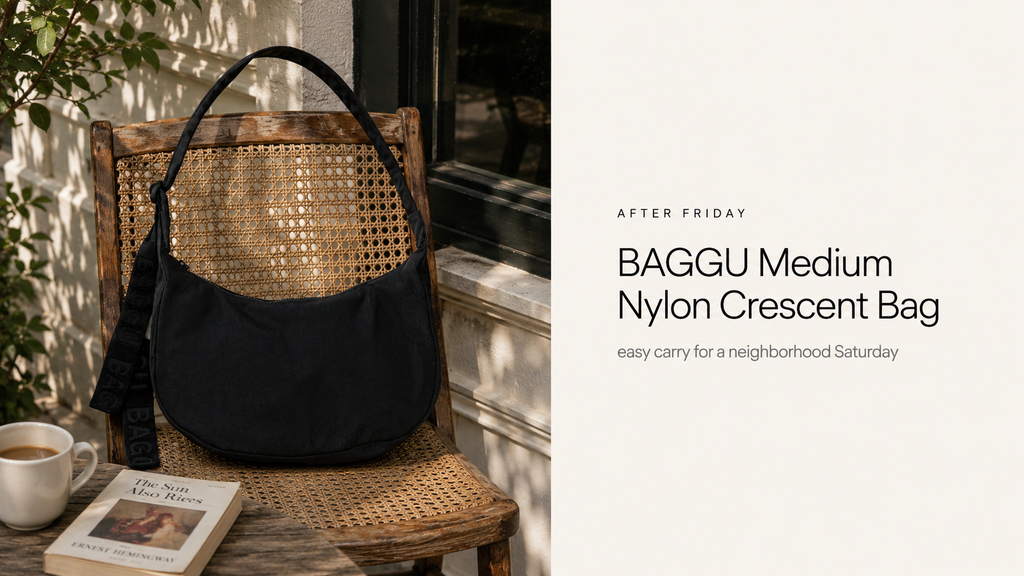
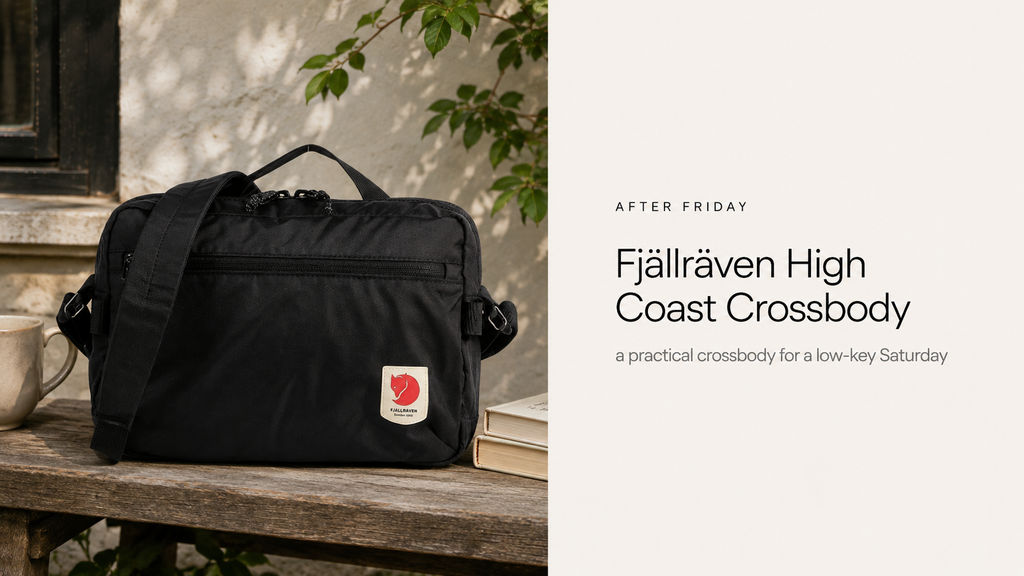
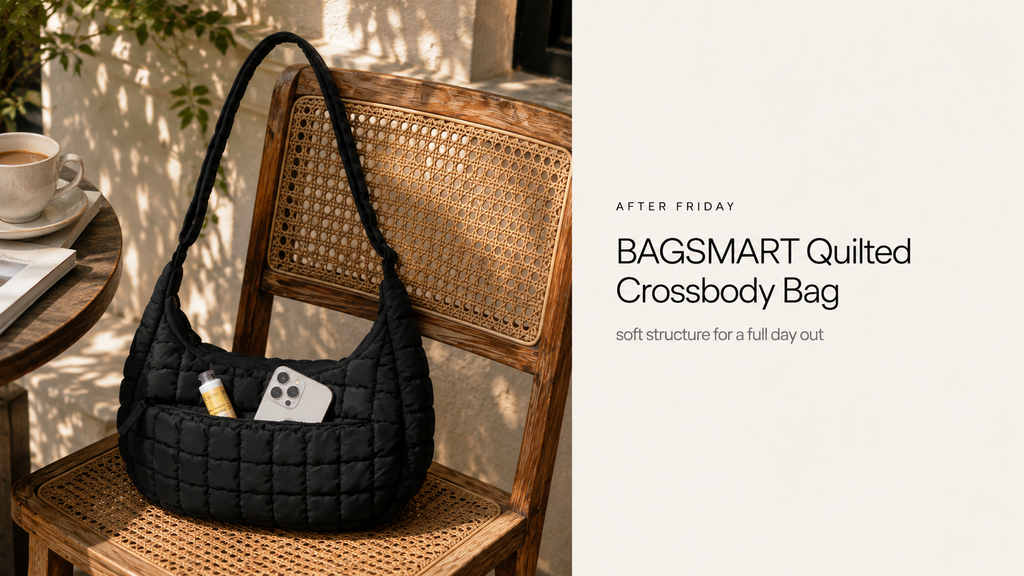
A lightweight tote or small crossbody makes more sense than carrying half your life around town.
Bring water from home, too. There is no reason for convenience-store drinks to quietly eat into the fun part of the budget.

10:30 AM — Browse Somewhere With No Pressure to Buy
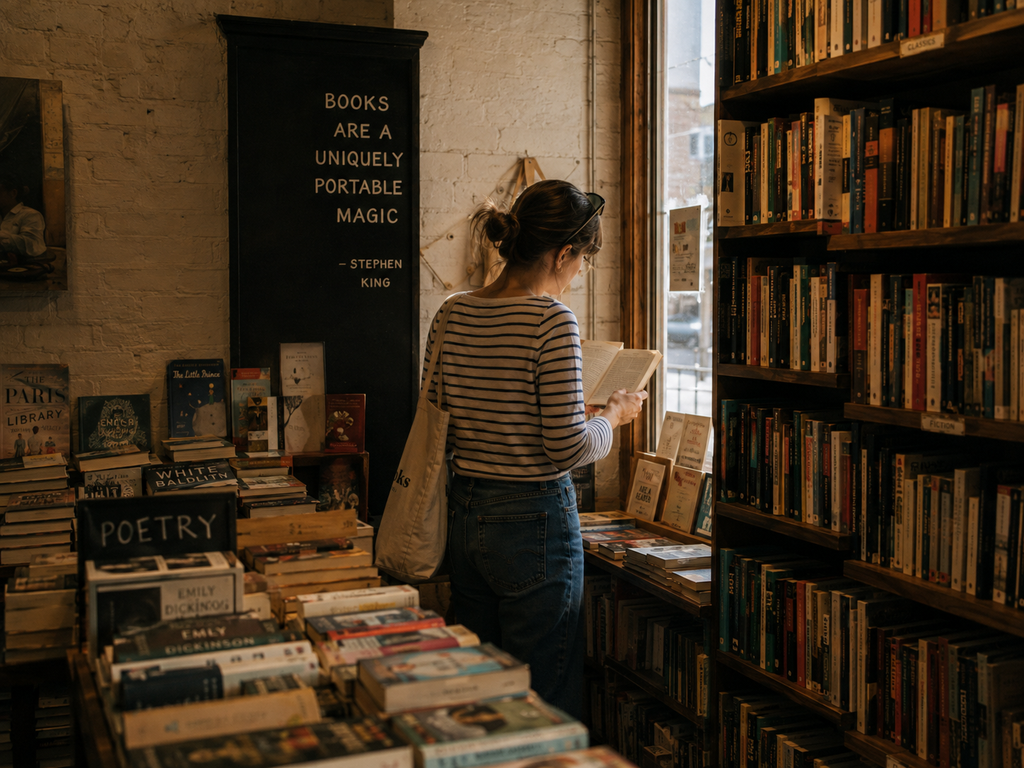
A used bookstore is ideal.
A thrift store works too. So does a record shop, plant store, antique mall, little stationery shop, or neighborhood market.
The important part is that browsing itself should be enjoyable.
Give yourself an hour.
Pick things up. Read covers. Look through the strange section you would normally skip. Let yourself become mildly obsessed with an object you absolutely do not need.
This is where a budget actually improves the experience: you are not there to shop indiscriminately.
You are looking for one small discovery.
Set a limit of around $6.
Maybe it is a used paperback. Maybe it is a tiny ceramic bowl. Maybe it is an old magazine, a postcard, or nothing at all.
Nothing is also allowed.
12:00 PM — Make One Tiny Market Stop
Budget: about $4
On the way to lunch, stop somewhere that gives you something to look at.
A produce stand. A farmers market. A neighborhood grocer. A flower stall.
You do not need a picturesque market with linen awnings and heirloom tomatoes arranged for Instagram.
A crate of good peaches outside a grocery store counts.
Buy one small thing you will actually enjoy later: a piece of fruit, berries, a sparkling drink, a few cookies from a local bakery, or even a single stem of flowers if that is what makes the day feel nicer.
The purchase is almost beside the point.
It creates a little punctuation mark between one part of the day and the next.

1:00 PM — Eat Lunch Somewhere Better Than Your Desk
Budget: about $8
Lunch does not need to be an event.
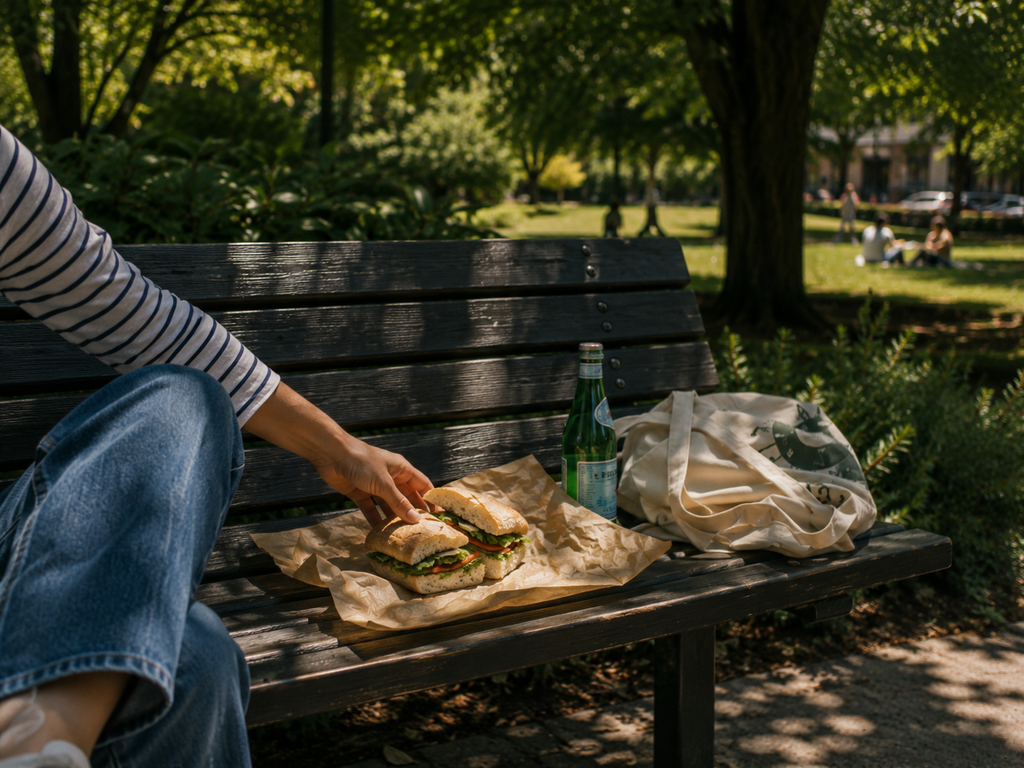
Grab a sandwich, slice of pizza, taco, bagel, or whatever simple local option comfortably fits the budget.
Then take it somewhere.
A park bench. A public square. A waterfront. A shady table. The steps outside a library. Even a quiet little patch of grass you have walked past a hundred times.
Eating outside immediately makes an ordinary lunch feel like part of the day rather than a transaction between activities.
Put your phone away for ten minutes.
Look around.
This is usually the point when a cheap Saturday starts feeling surprisingly good.
2:00 PM — Now Do Something Completely Free
This is the part people tend to overcomplicate.
You do not need another destination that requires a ticket.
Walk through a neighborhood you rarely visit.
Go to the library.
Read in the park.
Visit a free gallery.
Walk along the river.
Browse a community garden.
Find the nicest residential street nearby and walk until you start mentally redesigning houses that do not belong to you.
Bring the book you just bought — or one from home — and sit somewhere for half an hour.
A Saturday starts feeling full when it contains different kinds of time: moving, browsing, eating, sitting, noticing.
Not when it contains the maximum possible number of activities.

4:00 PM — Spend $3 on Something Entirely Unnecessary
Budget: about $3
This is important.
Do not optimize every dollar so aggressively that the day starts feeling like a financial challenge.
Leave enough for one small, unnecessary thing.
Soft serve.
A bakery cookie.
An iced tea.
A cheap coffee refill.
A piece of candy from somewhere nostalgic.
Whatever makes sense where you are.
There is something psychologically different about allowing yourself a small treat because you planned for it rather than buying five things impulsively throughout the day.
Sit down again if you can.
You are not late for anything.
That is part of the plan.
5:00 PM — Go Home Before the Day Starts Trying Too Hard
One of the easiest ways to ruin a pleasant low-key Saturday is refusing to let it end.
You have walked around. You found something. You ate lunch somewhere nice. You read. You had a treat.
You do not now need cocktails, dinner reservations, a movie, and three more errands to justify having left the house.
Go home.
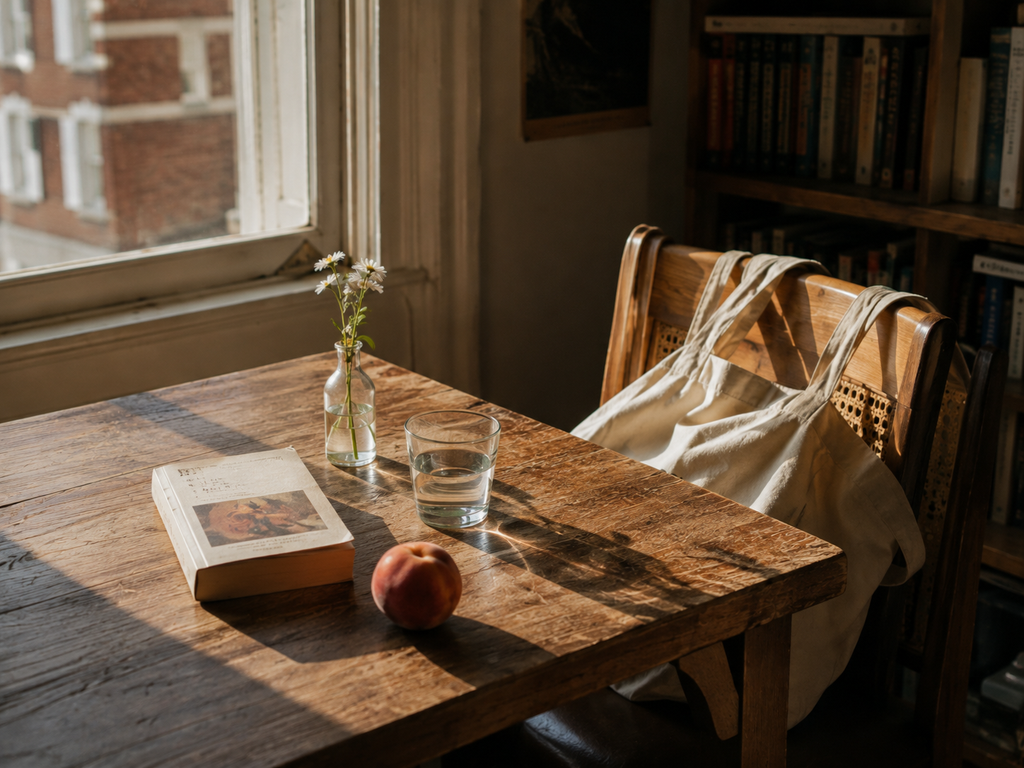
Put the book on the table. Wash the fruit you bought. Drop your tote over a chair.
Open a window.
Make something simple for dinner later.
The small physical things you carried home help the day linger a little longer — which is one reason buying one meaningful little thing feels better than accumulating five random ones.
If $30 Does Not Go Very Far Where You Live
In an expensive city, adjust the categories rather than abandoning the idea.
Try:
Skip the pastry.
Coffee alone still gives the morning a starting point.
Use the library instead of the bookstore.
You still get the slow browsing experience without spending anything.
Pack lunch from home.
Then use the $8 somewhere you will enjoy more.
Choose one paid thing.
Spend $10 or $12 on the part you care about and let everything else be free.
Walk instead of driving between stops.
A compact neighborhood is much better for this kind of Saturday than zigzagging across town.
The exact purchases do not matter nearly as much as the rhythm:
something good → somewhere interesting → something outside → somewhere quiet.
That is the formula.
How to Make a Cheap Saturday Feel Good Instead of Cheap
Do not combine it with errands.
The grocery store, pharmacy, returns counter, and oil change can wait.
A leisure day stops feeling leisurely when every enjoyable stop is wedged between chores.
Pick one walkable area.
You will spend less, notice more, and avoid turning the entire afternoon into driving and parking.
Leave empty space.
Do not schedule 11:00, 11:45, 12:30, 1:15.
Choose two or three anchors and let the rest happen around them.
Buy one thing, not five little things.
One book you are genuinely excited about will probably contribute more to the memory of the day than several impulse purchases.
Stay off your phone a little more than usual.
Take the picture. Check the map.
Then put it away again.
If you need something to occupy the quieter parts of the day, bring a book, sketchbook, crossword, camera, or another screen-free hobby instead.
Stop while the day still feels good.
You are allowed to have a nice Saturday and be home by 5:30.
That may actually be the secret.
The $30 Saturday Plan to Save for Later
If you want the simplest possible version, use this:
9:30 — Coffee + something small
Spend: $7
10:30 — Used bookstore, thrift shop, record store, or neighborhood browsing
Spend: up to $6
12:00 — Market stop
Spend: $4
1:00 — Simple lunch somewhere outside
Spend: $8
2:00 — Park, library, walk, gallery, or another free activity
Spend: $0
4:00 — One unnecessary little treat
Spend: $3
Buffer
$2
Total: $30
Change the stops. Keep the structure.
A good Saturday does not need to be impressive.
It just needs enough contrast to feel like you actually had one.
Affiliate Disclosure
This post may contain affiliate links. If you purchase through one of these links, After Friday may earn a small commission at no additional cost to you.